games_and_motivation

Students will spend hours struggling through difficult problems in games voluntarily, yet often disengage from academically simpler tasks. In this article, I explore why games do not simply “motivate” learning, but restructure the conditions around persistence by integrating feedback, identity, progression, challenge, meaning, and mastery into one coherent system.


personalization_learning_and_narrative

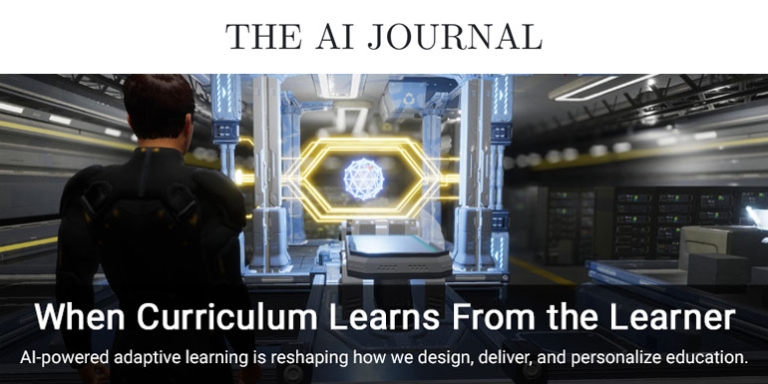
Most personalized learning systems adjust difficulty, pacing, or content sequencing — but they rarely change meaning. Narrative structure reshapes motivation, persistence, and identity, turning skill practice into purposeful action rather than isolated tasks. AI gives us the ability to adapt content at scale, but its real potential lies in shaping the learner’s journey, not just the next problem set.

flow

AI struggles in classrooms not because it lacks intelligence, but because it misunderstands attention. Teaching is a live system where even brief disengagement has consequences. Tools that interrupt flow lose, no matter how sophisticated they are.

AI_edtech_features_vs_system

After years of building AI in education, I’ve seen most initiatives fail not because the models were weak, but because they were designed as features instead of systems. When AI is grounded in real teacher pain and classroom reality, adoption follows. When it isn’t, even impressive technology quietly goes unused.

Elaria_monster_card2

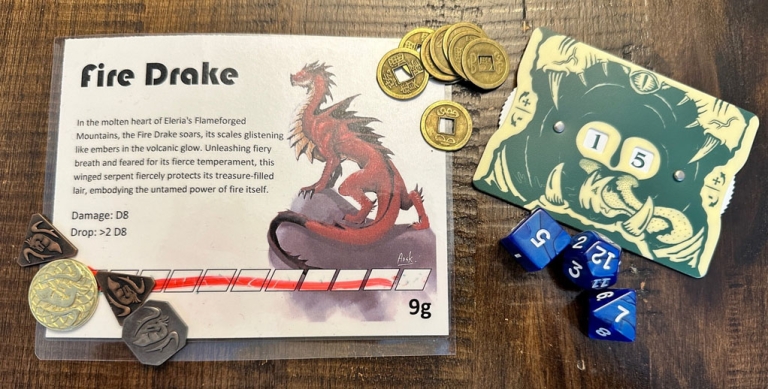
Reimagining daily learning tasks as epic quests, I devised a role-playing game for my children that married learning with adventure. This experiment transformed mundane activities into epic endeavors, fueling motivation and encouraging a love for learning. This innovative approach reshapes how we view learning at home, proving that with a dash of creativity and game mechanics, we can inspire our children to embark on their own educational odysseys.

Copyright 2025 Ian Natzmer ©  All Rights Reserved